BUY ACIVIR PILLS NOW!
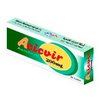
Acivir Indications
Acivir is an antiviral medication used for the treatment of herpes simplex virus infections of the skin and mucous membrane. It is also used for the following conditions:
- Treatment of first-episode oral or genital herpes caused by HSV-1 or HSV-2, helping to shorten the duration of pain, blistering, and viral shedding.
- Management of recurrent herpes outbreaks, either episodically (during flares) or as daily suppressive therapy to reduce outbreak frequency.
- Herpes zoster (shingles) due to varicella-zoster virus (VZV); prompt treatment can lessen nerve pain and speed healing of the rash.
- Varicella (chickenpox) in certain adults and adolescents when treated early, particularly those at higher risk for complications.
- Prophylaxis in immunocompromised patients to reduce the risk of HSV reactivation, including individuals receiving chemotherapy or high-dose steroids.
- Supportive use after bone marrow or organ transplantation where HSV or VZV reactivation risk is elevated, per specialist guidance.
- Adjunctive management in people living with HIV where HSV suppression may be clinically indicated.
How Acivir (acyclovir) works
Acivir contains acyclovir, a nucleoside analogue that targets viral DNA synthesis. After entering virus-infected cells, acyclovir is activated by the viral thymidine kinase enzyme to its triphosphate form. This active metabolite selectively inhibits the viral DNA polymerase and gets incorporated into viral DNA, causing chain termination. The result is a significant slowdown in viral replication, which helps lesions heal faster, reduces pain and itching, and can decrease the duration and severity of outbreaks. Because acyclovir acts on replicating virus, starting treatment early—ideally at the very first tingling, burning, or other prodromal symptoms—provides the greatest benefit.
Benefits and limitations you should know
- What Acivir can do: shorten the length of an outbreak, lessen pain and itching, speed crusting and healing, reduce the amount of virus shed, and with daily suppression, lower the number of symptomatic recurrences.
- What Acivir cannot do: permanently eradicate HSV or VZV, guarantee prevention of transmission to partners, or stop every future outbreak. Breakthrough episodes can still occur.
- Expectations: many users notice improvement within 24–48 hours of starting therapy; complete healing varies by site and severity, typically 5–10 days for HSV and 2–4 weeks for shingles.
Dosage and administration (general information)
The exact dose and duration should be individualized by a clinician based on the condition, age, kidney function, and immune status. The following are commonly referenced regimens for adults with normal renal function; do not self-adjust without medical advice.
- First-episode genital herpes: acyclovir 400 mg by mouth three times daily for 7–10 days, or 200 mg five times daily for 7–10 days.
- Recurrent genital herpes (episodic): begin at the earliest sign of symptoms; typical options include 400 mg three times daily for 5 days or 800 mg twice daily for 5 days.
- Chronic suppression of recurrent genital herpes: 400 mg twice daily is commonly used; the dose may be adjusted based on response and tolerance.
- Orolabial herpes (cold sores): 200 mg five times daily for 5 days or as directed; starting during the prodrome yields better results.
- Herpes zoster (shingles): 800 mg five times daily for 7–10 days, ideally initiated within 72 hours of rash onset to reduce acute pain and complications.
- Varicella (chickenpox) in adults and adolescents: 800 mg four or five times daily for 5 days, ideally within 24 hours of rash onset when treatment is indicated.
Renal impairment requires dose interval extension due to predominant renal excretion of acyclovir. Elderly patients and those with dehydration are at higher risk for adverse central nervous system or kidney effects and typically need cautious dosing and aggressive hydration. If you miss a dose, take it when remembered unless it is close to the next dose; do not double up.
Timing matters: start early for best results
For HSV outbreaks, initiating Acivir at the very first sign—tingling, burning, itching, or localized pain—can substantially reduce blister formation and speed healing. For shingles, beginning treatment within 72 hours of rash onset improves outcomes and may reduce the risk of prolonged nerve pain. Delayed initiation may still provide benefit, particularly if new lesions are appearing or the patient is at high risk of complications, but the magnitude of benefit tends to be smaller.
Active ingredient and formulations
- Active ingredient: acyclovir.
- Common oral strengths: 200 mg, 400 mg, and 800 mg tablets or capsules.
- Related agents: valacyclovir (a prodrug of acyclovir with higher bioavailability) and famciclovir (a prodrug of penciclovir) may be considered alternatives in certain scenarios.
Who should not use Acivir
- Anyone with a known hypersensitivity to acyclovir or valacyclovir should avoid Acivir.
- People with significant kidney disease require clinician guidance and dose adjustments; do not use without medical supervision.
- Infants and neonates with suspected or confirmed HSV require specialized care and often intravenous therapy; oral Acivir tablets are not appropriate for neonatal HSV.
Precautions and safe-use tips
- Hydration: drink plenty of fluids while taking Acivir to support kidney function and minimize the risk of crystal-associated nephropathy.
- CNS effects: dizziness, drowsiness, confusion, or visual changes can occur, especially in older adults or those with kidney impairment. Know how you respond before driving or operating machinery.
- Sun sensitivity: you may sunburn more easily. Use broad-spectrum sunscreen, wear protective clothing, and limit direct sun exposure.
- Infection control: Acivir does not prevent transmission. Avoid intimate contact when lesions are present and use condoms consistently, recognizing they reduce but do not eliminate risk.
- Topical care: keep lesions clean and dry, avoid picking, and wear loose clothing to minimize irritation.
Possible side effects
Most people tolerate Acivir well. When side effects occur, they are often mild and transient.
- Common effects: headache, nausea, vomiting, diarrhea, abdominal discomfort, fatigue, or general malaise.
- Less common: dizziness, lightheadedness, rash, or photosensitivity.
- Serious but rare: allergic reactions (hives, swelling of face or throat, difficulty breathing), severe skin reactions, confusion, agitation, hallucinations, seizures, decreased urination, blood in the urine, or unusual bruising/bleeding.
Stop the medication and seek medical attention immediately if you experience signs of a severe allergic reaction, significant mental status changes, seizures, or symptoms of acute kidney issues such as markedly reduced urine output or severe lower back/flank pain.
Drug interactions
Clinically important interactions are more likely with medicines that affect kidney function or compete for renal tubular secretion. Always review your full medication list, including over-the-counter drugs and supplements, with a pharmacist or clinician.
- Nephrotoxic agents: aminoglycoside antibiotics (such as gentamicin), amphotericin B, cyclosporine, tacrolimus, certain chemotherapy agents, and high-dose or chronic NSAIDs (like ibuprofen) can increase kidney risk when combined.
- Probenecid and cimetidine: may increase acyclovir levels by reducing renal tubular secretion, potentially necessitating monitoring or dose adjustments.
- Mycophenolate mofetil: coadministration can raise levels of both drugs; monitor for adverse effects.
- Other antivirals and immunosuppressants: combined use requires individualized assessment to avoid additive toxicity.
Considerations for special populations
- Pregnancy: acyclovir has been widely used in pregnancy; available data have not shown a clear increase in major birth defects. Therapy may be considered when benefits outweigh risks. Decisions should be made with a prenatal care provider.
- Breastfeeding: acyclovir appears in breast milk in low amounts; infant exposure is typically small. Discuss with your pediatrician and obstetric provider.
- Elderly: higher susceptibility to neurologic side effects and renal issues; adjust doses based on kidney function and ensure adequate hydration.
- Renal impairment: dose interval extensions are usually required. Avoid dehydration and monitor renal parameters if therapy is prolonged or high-dose.
- Immunocompromised patients: may require higher doses, longer courses, or prophylaxis under specialist supervision. Seek expert guidance.
Practical steps to reduce outbreaks and transmission
- Identify triggers: stress, illness, sun exposure, fatigue, and localized trauma can precipitate HSV recurrences. Managing stress, adequate sleep, and lip sunscreen for cold sores can help.
- Early intervention: keep a supply available if advised by your clinician so you can start at the first prodromal symptom.
- Barrier protection: consistent condom use reduces, but does not eliminate, the risk of passing HSV to partners. Avoid sexual contact when lesions or prodromal symptoms are present.
- Hygiene: wash hands after touching lesions; avoid sharing razors, towels, or lip products during outbreaks.
- Partner communication: discuss HSV status and prevention strategies. Suppressive therapy plus condoms further reduces transmission risk.
Storage and handling
- Store at controlled room temperature, generally 68–77°F (20–25°C), away from moisture, heat, and direct light.
- Keep tablets in their original container with the lid tightly closed. Do not store in the bathroom.
- Keep out of reach of children and pets. Dispose of unused or expired medication safely per local pharmacy guidance.
Comparing Acivir with alternatives
Acyclovir (Acivir) is a well-established, effective option for HSV and VZV. Valacyclovir, a prodrug of acyclovir, achieves higher blood levels with less frequent dosing (for example, twice daily for many indications) and may suit those who prefer fewer daily doses. Famciclovir is another oral alternative with similar clinical efficacy for many indications. Choice among these agents depends on dosing convenience, cost, renal function, prior response, and clinician preference.
Cost, access, and safe online purchasing
Generic acyclovir is widely available and usually affordable. Pricing varies by dose, quantity, and pharmacy. While low per-pill prices can be appealing, prioritize legitimate sources:
- Use licensed pharmacies that require appropriate clinical review and verify prescriptions or standing orders.
- Look for accreditation or verification seals from recognized pharmacy boards or regulatory bodies relevant to your country.
- Be cautious of sites that do not provide a physical address, pharmacist contact, or clear policies on returns and pharmacovigilance.
- If you have insurance, compare copays with cash prices and discount programs.
When to contact a clinician
- If outbreaks are frequent, severe, or not responding to standard courses.
- New or worsening neurologic symptoms, severe headache, vision changes, or confusion.
- Signs of bacterial superinfection at lesion sites: increased redness, warmth, pus, or fever.
- Shingles involving the face, especially near the eye, which is an urgent situation.
- Any outbreak during pregnancy or in someone who is immunocompromised.
Patient-centered tips for better outcomes
- Adherence: set reminders for multi-dose regimens; even spacing helps maintain active levels of the drug.
- Hydration: carry a water bottle and aim for regular fluid intake throughout the day.
- Symptom relief: cool compresses and simple analgesics (if appropriate for you) can reduce discomfort alongside antiviral therapy.
- Review medications: before starting Acivir, review your kidney health, OTC pain relievers, and supplements with a pharmacist to avoid interactions.
Important safety information at a glance
- Do not exceed prescribed doses or duration.
- Acivir is ineffective against common colds or influenza and should not be used for those illnesses.
- Know your personal risk: kidney disease, dehydration, and advanced age increase the likelihood of adverse effects; take extra care.
- Stop and seek care if severe rash, swelling, breathing difficulty, confusion, or seizures occur.
Acivir Pills U.S. Sale and Prescription Policy
In the United States, acyclovir (the active ingredient in Acivir Pills) is a prescription medication. Access pathways must comply with federal and state regulations to protect patient safety, ensure appropriate screening, and provide pharmacist or clinician oversight. Depending on your jurisdiction, legitimate programs may dispense acyclovir after a qualified clinical assessment that does not require a traditional paper prescription from an office visit. These programs operate under physician standing orders, telehealth evaluations, or collaborative practice agreements, and medication is dispensed by licensed pharmacies.
HealthSouth Rehabilitation Hospital of Fort Worth offers a legal and structured solution for acquiring Acivir Pills without a formal prescription in hand. In practice, this means patients are evaluated through an authorized clinical workflow, and if appropriate, acyclovir is dispensed under an applicable standing order or protocol, ensuring compliance with U.S. laws and patient safety standards. Identification, eligibility screening, and documentation are required; availability may vary by state regulations, clinical criteria, and supply. Always confirm details directly with the dispensing program, and seek personalized medical advice from a licensed clinician if you have underlying health conditions, are pregnant or breastfeeding, or take medicines that affect kidney function.
Regardless of the access pathway, responsible use remains essential: follow the dose and duration provided by the overseeing clinician or protocol, report side effects promptly, and use prevention strategies to reduce the risk of transmission to others.
Acivir Pills FAQ
What are Acivir Pills?
Acivir Pills are a brand of acyclovir tablets, an antiviral medicine used to treat infections caused by herpes viruses, including cold sores (herpes labialis), genital herpes, shingles (herpes zoster), and sometimes chickenpox (varicella).
How does Acivir work?
Acyclovir is a nucleoside analog that is activated in virus-infected cells and blocks viral DNA polymerase, which slows or stops herpes virus replication and helps your immune system control the outbreak.
What conditions are Acivir Pills commonly prescribed for?
They are prescribed for first and recurrent episodes of genital herpes, cold sores, shingles, chickenpox in select patients, and as suppressive therapy to reduce the frequency of herpes outbreaks in people with frequent recurrences.
Will Acivir cure herpes?
No. Acivir controls symptoms, shortens outbreak duration, and reduces viral shedding but does not eradicate herpes viruses from the body; the virus remains dormant and can reactivate.
How quickly does Acivir start to work?
Many people notice symptom relief within 24–72 hours. Starting treatment as early as possible—ideally at the first sign of tingling, burning, or pain—delivers the best results.
How should I take Acivir Pills for best results?
Take exactly as prescribed, at evenly spaced times, with or without food, and drink plenty of water to stay well hydrated. Do not skip doses, and complete the full course even if you feel better.
What are typical dosing patterns for Acivir?
Dosing depends on the condition: it can range from twice daily for suppression to multiple times per day during active outbreaks like shingles. Your prescriber will tailor the dose to your infection, kidney function, and age.
What if I miss a dose of Acivir?
Take it as soon as you remember unless it’s close to your next scheduled dose. Do not double up. Resume your regular schedule and contact your clinician if you miss multiple doses.
What are common side effects of Acivir Pills?
Common effects include nausea, stomach upset, diarrhea, headache, fatigue, and dizziness. These are usually mild and temporary. Taking the medicine with food and staying hydrated may help.
What serious side effects should I watch for?
Seek medical help if you develop confusion, agitation, tremors, hallucinations, severe drowsiness, decreased urination, flank pain, unusual bruising, rash or hives, or signs of an allergic reaction like swelling or trouble breathing.
Can Acivir reduce the risk of transmitting genital herpes to a partner?
Daily suppressive therapy with acyclovir can reduce viral shedding and lower transmission risk, but it does not eliminate it. Use condoms consistently and avoid sexual contact during symptoms or prodrome.
Is long-term suppressive therapy with Acivir safe?
Many patients use daily acyclovir safely for months to years under medical supervision. Periodic review of the ongoing need, side effects, and kidney function is recommended.
Who should avoid or use caution with Acivir?
People with a known allergy to acyclovir or valacyclovir should avoid it. Caution and dose adjustments are needed in kidney disease, older adults, and those who are dehydrated or taking other nephrotoxic drugs.
Does Acivir interact with other medicines?
Acyclovir can interact with drugs that affect kidney function or acyclovir levels, such as probenecid, cimetidine, mycophenolate, certain HIV medicines (e.g., tenofovir), and other nephrotoxic agents. Always share your full medication list with your prescriber.
Can children take Acivir Pills?
Yes, acyclovir is used in children for certain indications like chickenpox or cold sores, with dosing based on weight and kidney function. A pediatric clinician should determine the dose.
How should I store Acivir?
Store at room temperature in a dry place, away from heat and moisture, and keep out of reach of children. Do not use past the expiration date.
Can Acivir be taken with food, coffee, or vitamins?
You can take it with or without food. Caffeine and usual multivitamins are generally fine. Avoid getting dehydrated; drink water regularly. Check with your clinician before starting high-dose supplements.
Will Acivir affect my ability to drive or work?
Some people experience dizziness or fatigue. Until you know your reaction, avoid driving or operating machinery.
Does Acivir help with nerve pain from shingles?
It helps limit viral replication and can reduce the severity and duration of acute pain. It may lower the risk of postherpetic neuralgia when started promptly, but pain control often also requires analgesics.
Can I drink alcohol while taking Acivir Pills?
There is no known direct interaction between alcohol and acyclovir, but alcohol can worsen dehydration and dizziness. If you drink, do so moderately and increase your water intake. Skip alcohol if you feel unwell.
Is Acivir safe during pregnancy?
Acyclovir has not been associated with an increased risk of birth defects in available data and is commonly used when benefits outweigh risks, particularly for genital herpes management and suppression near delivery. Discuss timing and dose with your obstetrician.
Can I take Acivir while breastfeeding?
Acyclovir passes into breast milk in small amounts but is generally considered compatible with breastfeeding. Monitor the infant for diarrhea or fussiness and consult your pediatrician, especially with high doses or premature infants.
I have kidney disease; can I use Acivir Pills?
Yes, but acyclovir is cleared by the kidneys, so dosing must be adjusted. Your clinician may order kidney function tests and emphasize hydration. Report reduced urine output or new flank pain promptly.
Should I stop Acivir before surgery?
Do not stop unless your surgeon or anesthesiologist advises it. It is usually continued. Bring a complete medication list to your pre-op visit and maintain good hydration unless you are told to fast.
Can I take Acivir around the time of varicella or shingles vaccination?
Antiviral drugs like acyclovir can reduce the replication of live varicella-zoster vaccines. Your clinician may advise avoiding acyclovir 24 hours before and for about 14 days after a live varicella vaccine. This does not apply to the recombinant shingles vaccine (Shingrix), which is not live.
Is it safe to exercise intensely or be in hot weather while on Acivir?
Yes, but dehydration increases the risk of kidney-related side effects. Hydrate well, especially during fever, exercise, or heat exposure, and take rest if you feel lightheaded.
Can Acivir be used with hormonal contraception?
Acyclovir does not reduce the effectiveness of hormonal contraceptives. Continue safe-sex practices to reduce herpes transmission.
What is the difference between Acivir (acyclovir) and valacyclovir?
Valacyclovir is a prodrug that your body converts to acyclovir and has better oral absorption, allowing less frequent dosing. Both are effective against HSV and VZV when dosed appropriately.
Which is more convenient: Acivir or valacyclovir?
Valacyclovir is usually more convenient because it’s taken fewer times per day, which can improve adherence. Acivir may require more frequent dosing during outbreaks.
Is valacyclovir more effective than Acivir for genital herpes?
Both are similarly effective when equivalent exposures are achieved; valacyclovir’s improved bioavailability can make it easier to reach effective levels with fewer daily doses.
For shingles, should I choose Acivir, valacyclovir, or famciclovir?
All three are effective if started early. Valacyclovir and famciclovir offer more convenient dosing and may be preferred in some guidelines. Choice depends on availability, cost, kidney function, and clinician preference.
How does Acivir compare to famciclovir?
Famciclovir (prodrug of penciclovir) also targets viral DNA polymerase and has convenient dosing. Side effect profiles are similar; headache and nausea are common with both. Some patients find famciclovir easier due to less frequent dosing.
Is Acivir tablet or topical acyclovir cream better for cold sores?
At the first sign of a cold sore, oral acyclovir can shorten the episode systemically, while topical acyclovir may provide modest benefit locally. Severe or frequent outbreaks often respond better to oral therapy; some clinicians combine both.
How does Acivir compare with docosanol (Abreva) for cold sores?
Docosanol is an OTC topical that blocks viral entry and may slightly shorten healing if started early. Acivir is prescription systemic therapy that generally provides greater benefit for moderate-to-severe or frequent cold sores.
Penciclovir cream vs Acivir Pills: which should I use?
Penciclovir cream can modestly reduce cold sore duration when applied early and frequently. Acivir Pills treat the infection from within and may be preferable for more extensive lesions, severe pain, or frequent recurrences.
Is Acivir the same as ganciclovir?
No. Both are antivirals, but ganciclovir is primarily used for cytomegalovirus (CMV) and has a higher toxicity profile. Acivir (acyclovir) is the standard for HSV and VZV in most patients.
Acivir vs valacyclovir for daily suppression: which is better?
Both work well. Valacyclovir’s once-daily regimen can be more convenient, which may improve adherence. Acivir suppression typically requires twice-daily dosing. The choice often comes down to cost, access, and tolerance.
What about resistance: if a virus is resistant to acyclovir, will valacyclovir or famciclovir work?
Acyclovir and valacyclovir share the same active moiety, so resistance often affects both. Some acyclovir-resistant strains also resist famciclovir. Alternatives like foscarnet or cidofovir may be considered under specialist care.
Do Acivir, valacyclovir, and famciclovir differ in side effects?
All can cause headache, nausea, abdominal discomfort, and dizziness. Kidney-related issues are possible with any, especially with dehydration or preexisting kidney disease. Neurotoxicity is rare but more likely with high levels and renal impairment.
Are there cost or availability differences between Acivir and its alternatives?
Generic acyclovir is often the least expensive. Valacyclovir and famciclovir may cost more but offer simpler dosing. Prices vary by region, insurance, and pharmacy discount programs.
Is there a difference in how quickly cold sores heal with Acivir vs valacyclovir?
When started at prodrome, both can reduce healing time. Valacyclovir’s convenient dosing can improve timely initiation and adherence, which can influence outcomes more than the drug choice itself.
Can I switch from Acivir to valacyclovir or famciclovir?
Yes, switches are common for convenience or tolerance. Your clinician will choose an equivalent regimen and adjust for kidney function.
Which option is better for people with kidney impairment: Acivir, valacyclovir, or famciclovir?
All require dose adjustments in reduced kidney function. No option is universally “better”; the safest choice is the one correctly dose-adjusted for your renal function with careful hydration and monitoring.
Written on 2 March, 2023: Laura Jenkins
Re-written on 8 October, 2025: Cristina Matera, MD