BUY STROMECTOL NOW!
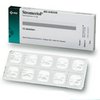
Stromectol (Ivermectin): A Comprehensive, Up-to-Date Guide
Stromectol is a well-established antiparasitic medication used to treat select infections caused by susceptible parasites. While it has been available for decades and is included on the World Health Organization’s Model List of Essential Medicines, it must be used appropriately, under guidance from a qualified health professional. This article provides clear, evidence-based information on indications, how it works, dosing and use considerations, safety and side effects, drug interactions, and special precautions for different patient groups. It also addresses common misconceptions and explains current U.S. prescription policies.
What Stromectol (Ivermectin) Is Used For
Stromectol contains ivermectin, an anthelmintic (antiparasitic) agent. It is primarily used for infections caused by certain parasitic worms and, in some cases, mites. Approved and commonly accepted uses include:
- Onchocerciasis (river blindness): Caused by Onchocerca volvulus and transmitted by blackflies. Ivermectin helps reduce microfilariae in skin and eyes, easing symptoms and limiting transmission. It does not reliably kill adult worms, so repeat dosing at intervals may be recommended.
- Strongyloidiasis: Infection with Strongyloides stercoralis. Stromectol is often first-line therapy and may require follow-up stool testing and, in some cases, retreatment.
Clinicians also use ivermectin for certain off-label indications when appropriate:
- Scabies: Oral ivermectin can be used in cases of crusted scabies, severe outbreaks, or when topical therapy is impractical. Public health protocols often recommend treating household contacts to prevent reinfestation.
- Head lice: Generally managed with topical agents, but oral ivermectin may be considered in selected situations.
- Other parasitic infections: In limited circumstances, specialists may use ivermectin as part of a tailored regimen.
Important clarification: Stromectol is not approved for the prevention or treatment of COVID-19. High-quality clinical trials have not shown a clear clinical benefit for COVID-19, and major public health authorities advise against using ivermectin for this purpose outside of clinical trials. Veterinary formulations should never be used in humans.
How Stromectol Works
Ivermectin targets glutamate-gated chloride channels in nerve and muscle cells of many parasites. By increasing the permeability of cell membranes to chloride ions, it causes paralysis and death of susceptible organisms. These channels are not present in humans; additionally, in humans the drug’s entry into the central nervous system is limited by the blood-brain barrier and P-glycoprotein efflux pumps. This explains its favorable therapeutic window when used correctly. However, conditions that alter the integrity of the blood-brain barrier or markedly elevate ivermectin levels can increase the risk of neurologic adverse effects.
How to Take Stromectol
Always follow the instructions from your prescriber and the product label. General guidance for oral Stromectol tablets includes:
- Administration: Take on an empty stomach with water (commonly at least 1 hour before or 2 hours after food), unless your prescriber advises otherwise.
- Dosing: For approved indications, Stromectol is typically given as a single oral dose based on body weight. Some conditions require repeat dosing at intervals determined by your clinician and local guidelines.
- Follow-up: Certain infections need repeat assessment and testing to confirm cure or to guide retreatment (for example, stool testing for strongyloidiasis, skin snips or ophthalmologic evaluations for onchocerciasis).
- Missed doses: If you miss a scheduled dose, take it as soon as you remember on the same day unless your prescriber gives different instructions. If it is close to the time of your next dose, do not double up; contact your clinician for guidance.
- Hydration and rest: If you experience dizziness or lightheadedness, sit or lie down until symptoms resolve and avoid activities that require full alertness.
Because dosing can vary by indication, region, and clinical status, do not self-medicate. Use only the formulation and dose prescribed for you.
Storage and Handling
- Store at controlled room temperature, ideally below 86°F (30°C).
- Protect from heat, moisture, and light.
- Keep in the original container with the label intact.
- Keep out of reach of children and pets.
- Do not store in bathrooms or other humid areas.
When traveling, keep Stromectol in your carry-on bag with the original label and your prescription information.
Active Ingredient and Formulations
Active ingredient: ivermectin.
Stromectol is available as oral tablets in multiple strengths. Topical ivermectin products exist for other dermatologic conditions; do not interchange oral and topical products unless specifically instructed by your clinician. Different brands and generics may vary by inactive ingredients, but they contain the same active medicine when approved by regulatory agencies.
Who Should Not Use Stromectol
Do not use Stromectol if you have a known allergy to ivermectin or any component of the product. Inform your healthcare professional about your full medical history before taking ivermectin, especially if any of the following apply:
- Pregnancy or plans to become pregnant: Discuss risks and benefits; many programs avoid ivermectin during pregnancy.
- Breastfeeding: Ivermectin is excreted in breast milk. Your clinician will help weigh infant exposure against potential benefits; timing and necessity of treatment matter.
- Loa loa endemic exposure: People with possible Loa loa infection (e.g., travel or residence in parts of West or Central Africa) require careful evaluation; ivermectin may precipitate serious neurologic events if very high Loa loa microfilarial loads are present.
- Severe or unstable medical illness, including significant liver disease: Dose adjustments or alternative treatments may be considered; monitoring may be needed.
- Compromised immune status (e.g., advanced HIV): Strongyloidiasis may require special management and follow-up.
- Asthma or severe allergic conditions: Monitor closely for treatment-related reactions.
- Children under 15 kg (33 lbs): Safety and effectiveness in this weight group are not firmly established; pediatric infectious disease guidance is essential.
Drug Interactions
Always inform your prescriber and pharmacist about all medications and supplements you take. Notable interactions include:
- Warfarin and other anticoagulants: Ivermectin may potentiate anticoagulant effects in some cases. Your clinician may adjust monitoring and dosing.
- Strong CYP3A4 or P-glycoprotein inhibitors: Agents such as erythromycin, clarithromycin, ketoconazole, itraconazole, cyclosporine, verapamil, diltiazem, amiodarone, certain HIV protease inhibitors (e.g., ritonavir), and grapefruit products may increase ivermectin exposure. This can raise the risk of adverse effects, including neurologic symptoms.
- Other CNS depressants: Alcohol and sedating medications can worsen dizziness or drowsiness.
- Other antiparasitics: Combination therapy is sometimes appropriate but should be directed by a specialist to minimize toxicity and maximize effectiveness.
This is not a complete interaction list. Before starting, stopping, or changing any medicine, consult your healthcare provider.
Important Safety Considerations
- Dizziness and drowsiness: These may be more pronounced with alcohol, dehydration, or heat. Avoid driving or operating machinery until you know how you respond.
- Post-treatment reactions: In onchocerciasis, killing microfilariae can trigger a transient inflammatory reaction (Mazzotti reaction) with itching, rash, fever, swollen lymph nodes, and eye irritation. Report severe or persistent symptoms.
- Loa loa risk: Rare but severe and sometimes fatal encephalopathy has been reported in patients with very high Loa loa microfilarial loads treated with ivermectin. If you have lived in or traveled to endemic areas of West or Central Africa, alert your clinician before taking Stromectol.
- Monitoring: Stool exams for strongyloidiasis, skin snips or ophthalmic assessments for onchocerciasis, and clinical follow-up are often necessary to confirm clearance and address complications.
- Liver considerations: Ivermectin is hepatically metabolized. Patients with liver disease may require additional caution and oversight.
- Public health measures: For scabies and certain community outbreaks, coordinated treatment of close contacts and environmental measures (laundering bedding/clothing, vacuuming) reduce reinfestation.
Common and Serious Side Effects
Most people tolerate ivermectin well. When side effects occur, they are often mild and self-limited. Common symptoms include:
- Gastrointestinal upset (e.g., nausea, diarrhea, abdominal discomfort)
- Headache, dizziness, or fatigue
- Itching or rash, which may reflect treatment-related immune responses to dying parasites
Less common or serious reactions require prompt medical attention:
- Severe allergic reactions: Hives, widespread rash, swelling of lips/tongue/throat, difficulty breathing, chest tightness
- Neurologic symptoms: Confusion, severe dizziness, fainting, seizures, incoordination, new visual changes
- Cardiovascular: Rapid heartbeat, significant lightheadedness, syncope
- Dermatologic: Extensive blistering or peeling skin
- Hepatic: Yellowing of skin or eyes, dark urine, severe abdominal pain, unexplained fatigue
- Ocular: Eye pain, redness, new floaters, or vision disturbances
- Lymphatic or edema: Swelling of limbs or generalized swelling
If you develop severe or rapidly worsening symptoms, seek emergency care. Always inform your clinician about new or concerning side effects during or after treatment.
Special Populations
- Children: Oral ivermectin is generally avoided in children weighing under 15 kg (33 lbs) due to limited safety data. Pediatric specialists may consider case-by-case decisions in consultation with caregivers.
- Older adults: Age-related changes in liver function, hydration, and comorbidity burden may increase susceptibility to side effects. Start with prescriber-recommended doses and monitor closely.
- Pregnancy: Many programs and product labels advise avoiding ivermectin during pregnancy unless the benefits clearly outweigh risks. Discuss timing of therapy with your obstetric and infectious disease clinicians.
- Breastfeeding: Ivermectin is present in breast milk in small amounts. Clinical decisions should consider the necessity of treatment, the infant’s age, and alternative options; some guidelines allow use after careful risk-benefit assessment.
- Liver disease: Because ivermectin undergoes hepatic metabolism, clinicians may exercise increased caution and consider baseline and follow-up assessments when indicated.
- Immunocompromised patients: Strongyloidiasis can disseminate and become life-threatening in the setting of immunosuppression. Management typically includes careful diagnostics, sometimes prolonged therapy, and close follow-up.
Responsible Use, Resistance, and Prevention
Using Stromectol responsibly helps protect individual patients and community health:
- Use only for confirmed or strongly suspected parasitic infections susceptible to ivermectin. Avoid self-prescribing.
- Complete planned follow-up and testing to confirm cure and prevent relapse.
- For scabies and lice, coordinate treatment of close contacts as directed and follow environmental hygiene measures to reduce reinfestation.
- Do not use veterinary ivermectin products. They differ in concentration and formulation and can be dangerous for humans.
- Preventive strategies such as vector control, protective clothing, and travel health consultations reduce risk of infection.
Myths and Misuse: Setting the Record Straight
Public interest in ivermectin surged during the COVID-19 pandemic, leading to confusion and misinformation. Key points:
- COVID-19: Robust clinical evidence does not support ivermectin’s routine use for COVID-19 treatment or prevention. Major public health agencies advise against it outside clinical trials.
- Human vs. animal products: Animal formulations may contain vastly different concentrations and excipients unsuitable for humans. Using these products can cause toxicity.
- “More is better” fallacy: Taking higher or repeated doses without medical guidance does not improve outcomes and increases risk of serious side effects, especially neurologic effects.
Practical Guidance: Cost, Access, and Safe Sourcing
In many regions, ivermectin is available as an affordable generic. Prices vary by dose, pharmacy, and insurance coverage. To obtain Stromectol safely and legally in the United States:
- Consult a licensed healthcare professional who can evaluate your condition and determine the right therapy. If ivermectin is appropriate, they will write a prescription.
- Use licensed pharmacies (local or mail-order) to fill prescriptions. Tools such as pharmacy discount programs or insurer-preferred pharmacies may help manage costs.
- Be cautious about unverified online sellers. Unregulated sources may supply counterfeit or subtherapeutic products, risking treatment failure and harm.
Public health programs in endemic regions frequently distribute ivermectin through structured campaigns to control onchocerciasis; participation is coordinated locally and follows regional protocols and safety checks.
Clinical Pearls for Patients and Caregivers
- Tell your clinician about travel history, especially to West or Central Africa, and any history of parasitic infections before starting Stromectol.
- Ask about expected timelines for symptom improvement and when to seek care for side effects.
- Keep all follow-up appointments; some infections need confirmatory testing for cure.
- If you feel unusually sleepy, dizzy, or confused after taking ivermectin, avoid driving and contact your clinician.
- If family members or close contacts have similar symptoms of scabies or lice, ask about coordinated treatment to prevent reinfestation.
Summary of Key Points
- Stromectol (ivermectin) is an antiparasitic medicine used for specific infections like strongyloidiasis and onchocerciasis; it may be used off-label for scabies and lice in select cases.
- Follow prescriber instructions precisely; some conditions require repeat dosing and lab or clinical follow-up.
- Common side effects include gastrointestinal upset, dizziness, and skin symptoms; severe allergic or neurologic reactions are rare but require urgent care.
- Potential interactions include warfarin and medicines that alter ivermectin metabolism or transport (e.g., certain macrolides, azoles, calcium channel blockers, and protease inhibitors).
- Special caution is needed for patients with Loa loa exposure risk, liver disease, during pregnancy and breastfeeding, in very young children, and in immunocompromised individuals.
- Use only human-approved formulations, and avoid unregulated sources. Ivermectin is not recommended for COVID-19 outside clinical trials.
Stromectol U.S. Sale and Prescription Policy
In the United States, Stromectol (ivermectin) is a prescription-only medication for human use. A licensed clinician must evaluate your medical needs and, if appropriate, provide a prescription that you can fill at a state-licensed pharmacy. It is neither safe nor legal to obtain prescription medications from unverified sources or without a valid prescription. Telehealth visits, urgent care clinics, infectious disease specialists, and primary care offices can all provide lawful evaluation and prescriptions where indicated.
HealthSouth Rehabilitation Hospital of Fort Worth offers lawful, structured clinical pathways for patients to be evaluated by qualified professionals and, when medically appropriate, to access Stromectol through proper prescription and dispensing channels. This ensures patient safety, regulatory compliance, and continuity of care. If you believe you may have a parasitic infection that could require ivermectin, consider arranging a consultation with a licensed healthcare provider who can assess your condition and guide you to safe, evidence-based treatment options.
Stromectol FAQ
What is Stromectol and what conditions does it treat?
Stromectol is the brand name for oral ivermectin, an antiparasitic medicine used to treat infections caused by certain parasites, including onchocerciasis (river blindness) and strongyloidiasis; it is also used off-label for scabies, crusted scabies, and head lice when topical therapy fails or isn’t appropriate.
How does Stromectol work in the body?
Ivermectin binds to glutamate-gated chloride channels in nerve and muscle cells of parasites, causing paralysis and death of the parasite; it has minimal activity in human nervous tissue because it poorly crosses the blood–brain barrier at usual doses.
How should I take Stromectol for best results?
Take a single dose based on your body weight with water on an empty stomach (typically 1 hour before or 2 hours after a meal), unless your clinician advises otherwise; follow-up or repeat dosing depends on the condition being treated.
What is the usual Stromectol dose for strongyloidiasis?
A common regimen is 200 micrograms per kilogram of body weight as a single dose, with some guidelines recommending a second dose on day 2; stool or serologic tests are often repeated two weeks or more after treatment to confirm cure.
How is Stromectol used for scabies?
For classic scabies, a typical off-label regimen is 200 micrograms per kilogram taken once and repeated in 7–14 days; in crusted (severe) scabies, multiple doses combined with a topical scabicide (such as permethrin) and decontamination measures are usually needed.
How quickly will I feel better after taking Stromectol?
Many people notice improvement in itching or skin symptoms within a few days, but itching can persist for weeks as the skin heals; for strongyloidiasis, gastrointestinal or skin symptoms often improve within days, while lab tests may take weeks to normalize.
What are common side effects of Stromectol?
Headache, dizziness, nausea, diarrhea, mild rash, and fatigue are most common; in onchocerciasis, a transient Mazzotti reaction (fever, itching, rash, joint pains, swollen lymph nodes) may occur due to dying microfilariae.
What serious side effects should I watch for?
Seek urgent care for severe allergic reactions, severe rash, vision changes, confusion, loss of coordination, chest pain, shortness of breath, or signs of severe Mazzotti reaction such as high fever, low blood pressure, or intense swelling of the face and eyes.
Who should not take Stromectol?
Avoid use if you have a known allergy to ivermectin; use caution or specialist guidance if you have significant liver disease, a heavy Loa loa (African eye worm) infection risk, or if you are taking certain medications that raise ivermectin blood levels.
Can children take Stromectol safely?
Safety is established in children who weigh at least 15 kg (about 33 lb); for smaller children, data are limited and a pediatric specialist should advise on risks and alternatives.
Is Stromectol available over the counter?
No, Stromectol requires a prescription; be cautious of nonprescription sources or veterinary formulations, which may be unsafe or inappropriate for human use.
Can Stromectol be used to prevent or treat COVID-19?
No, reputable guidelines and regulators do not recommend ivermectin for COVID-19 outside clinical trials; it is not approved for this use, and misuse can cause harm.
What should I do if I miss a scheduled dose?
If you miss a scheduled repeat dose, take it as soon as you remember unless it is close to the next dose; do not double up—contact your clinician for guidance on timing.
Do I need follow-up tests after treatment with Stromectol?
Yes, for strongyloidiasis, stool or serologic testing is typically repeated to confirm cure; for onchocerciasis, periodic dosing and eye/skin assessments are recommended; for scabies, follow-up is based on symptom resolution.
How should I store Stromectol at home?
Store tablets at room temperature away from excess heat, moisture, and light; keep in the original container and out of reach of children and pets.
Can I drink alcohol after taking Stromectol?
Moderate alcohol is not known to have a major interaction with ivermectin, but alcohol can worsen dizziness and dehydration; avoid drinking around the time of dosing and until you know how the medicine affects you.
Is Stromectol safe during pregnancy?
Data in pregnancy are limited; most guidelines recommend avoiding ivermectin during pregnancy unless the benefits clearly outweigh risks; if treatment is needed, it should be guided by an obstetrician or infectious disease specialist.
Can I take Stromectol while breastfeeding?
Small amounts pass into breast milk; many authorities consider it compatible with breastfeeding after the first postpartum week for approved indications, but discuss timing and necessity with your clinician.
Do I need to stop Stromectol before surgery or anesthesia?
Ivermectin is typically given as single or intermittent doses, so there is usually nothing to “hold,” but inform your surgical team about recent doses; because it can cause dizziness, be cautious with sedatives and follow perioperative instructions.
What if I have liver disease and need Stromectol?
Ivermectin is metabolized in the liver; use with caution, avoid unnecessary repeat dosing, and consider liver function monitoring—your clinician may select alternatives or adjust timing based on disease severity.
Is Stromectol safe if I might have Loa loa infection?
In people with high Loa loa microfilarial loads, ivermectin can rarely cause severe neurologic reactions; screening is recommended before treatment if you have lived in or traveled to Loa loa–endemic regions of West and Central Africa.
Can Stromectol interact with other medications or supplements?
Yes; drugs that inhibit P-glycoprotein or CYP3A4 (such as certain macrolides, azole antifungals, or grapefruit) may raise ivermectin levels, and warfarin effects can be potentiated; always provide a full medication list to your clinician.
Is it safe to drive after taking Stromectol?
Because ivermectin can cause dizziness or sleepiness in some people, avoid driving or operating machinery until you know how you respond, especially on the day of dosing.
Stromectol vs moxidectin: which is better for onchocerciasis?
Both are macrocyclic lactones; ivermectin is the long-standing standard, while moxidectin (approved for patients 12 years and older) can suppress microfilariae longer and reduce skin microfilarial density more robustly in some studies; choice depends on availability, age, programmatic use, and clinician judgment.
Stromectol vs albendazole for strongyloidiasis: how do they compare?
Ivermectin generally has higher cure rates and better tolerability than albendazole for strongyloidiasis; albendazole may be used if ivermectin is unavailable or contraindicated, but it often requires longer or repeated courses.
Stromectol vs thiabendazole for strongyloidiasis: which is preferred?
Ivermectin has largely replaced thiabendazole due to superior tolerability and similar or better efficacy; thiabendazole is associated with more gastrointestinal and neurologic adverse effects.
Stromectol vs permethrin for scabies: which should I choose?
Permethrin 5% cream is first-line for most patients; oral ivermectin is a useful alternative when topical therapy fails, cannot be used, or for outbreaks and crusted scabies; some cases benefit from combining both.
Stromectol vs benzyl benzoate for scabies: what’s different?
Benzyl benzoate is a topical scabicide that can be irritating; ivermectin is oral and generally easier to administer in institutions or in crusted scabies; efficacy can be similar when used correctly, but tolerability and adherence often favor ivermectin in complex cases.
Stromectol vs malathion for head lice: which works better?
Malathion is a topical pediculicide; ivermectin can be used orally off-label or as a topical lotion (different product) for lice; resistance patterns, patient age, and safety considerations guide the choice, with ivermectin useful in resistant cases or when nit combing is difficult.
Stromectol vs spinosad for head lice: how do they compare?
Spinosad 0.9% topical kills live lice and many eggs and usually requires less combing; oral ivermectin can be effective for resistant infestations or mass treatment needs; safety profiles differ, and age restrictions apply, so clinician guidance is important.
Oral Stromectol vs topical ivermectin: when to use each?
Oral ivermectin treats systemic parasitic infections and scabies/lice when topical therapy fails; topical ivermectin formulations are for skin conditions (e.g., head lice lotion, rosacea cream) and do not treat internal parasites.
Stromectol vs mebendazole: which parasites are targeted?
Ivermectin is preferred for strongyloidiasis and onchocerciasis; mebendazole is commonly used for whipworm, roundworm, and some hookworm infections; selection depends on the identified parasite and local resistance patterns.
Stromectol vs pyrantel pamoate for pinworms: what is first-line?
Pyrantel pamoate is often first-line and available over the counter for pinworms; ivermectin can work but is not typically the first choice; household treatment and hygiene measures are crucial regardless of the agent.
Stromectol vs praziquantel: are they interchangeable?
No; praziquantel targets trematodes and cestodes (e.g., schistosomiasis, tapeworms), while ivermectin targets specific nematodes and ectoparasites; each agent is used for different parasites based on susceptibility.
Stromectol vs diethylcarbamazine (DEC) for filariasis: which is used?
DEC is used for lymphatic filariasis in areas without onchocerciasis, while ivermectin is preferred where onchocerciasis coexists; DEC can worsen onchocerciasis-related adverse reactions, so epidemiology dictates the choice and combination therapies.
Written on 2 March, 2023: Laura Jenkins
Re-written on 8 October, 2025: Cristina Matera, MD